
Every child begins learning to speak by trying to express themselves, one sound, one word, and one question at a time. These small steps build the foundation for communication. Yet, for many children, learning to speak does not come easily, with one in five toddlers experiencing speech and language delays. Without timely support, these difficulties may affect other areas of development, including social communication, learning, and interaction. Meanwhile, as screen time becomes an increasingly prominent part of childhood, opportunities for active, meaningful verbal interaction can often take a backseat to passive tapping and swiping.
Mimansa Play, a CIE-based startup, is exploring a new way to change this narrative by transforming screen time into an engaging, interactive opportunity for children to speak, respond, and participate. Research into digital game-based speech and language interventions highlights their potential to support children’s communication and development. Mimansa Play aims to build on this potential, turning everyday screen time into a more meaningful learning experience.
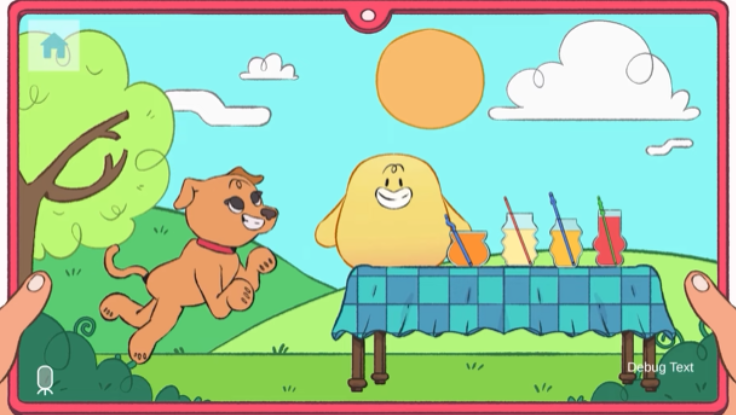
Building on this, Mimansa Play has created AI-powered speech therapy games specifically designed to help toddlers speak sooner through joyful play. The platform merges interactive characters and stories with core principles drawn from speech-language pathology, developmental psychology, and early childhood education.
What makes this approach so effective is that the platform talks with kids, not at them, building speech, thinking, and connection. One of the biggest challenges in building voice technology for early childhood is that kids don’t sound like adults. To solve this, Mimansa Play uses a custom speech AI uniquely designed to actually understand unclear toddler speech. Rather than expecting perfectly articulated words, the system recognizes phoneme-level approximations and responds to the child’s genuine attempts. As the child plays, the app provides real-time, voice-powered feedback that gently guides them toward clearer pronunciation.
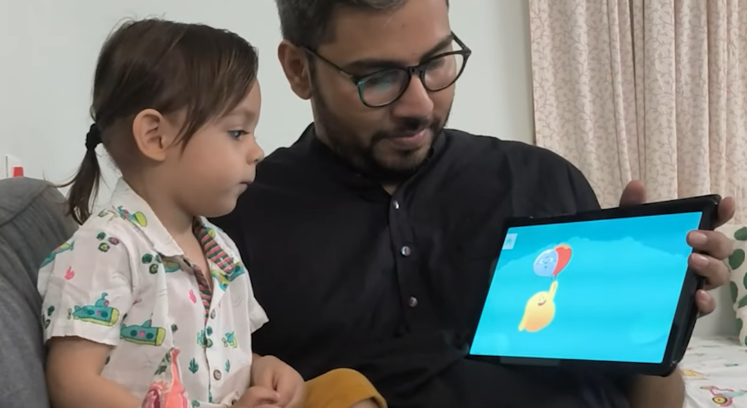
Instead of just consuming content, the child’s voice becomes the controller. Through interactive stories, songs, and games, children actively practice making new speech sounds, which are the essential building blocks of language. Built around low-pressure turn-taking and repetition, the platform helps toddlers use these new sounds to form and speak new words with growing confidence without making the experience feel like a drill. Over time, this improved speech clarity helps children be much better understood by their friends, family, and teachers.
Aimed at toddlers and preschoolers experiencing speech delays, late language emergence, or communication challenges, the app can be used at home or alongside guided practice with speech-language professionals. This innovative intersection of AI and early childhood development is already gaining momentum; in 2026, Mimansa Play was selected for both the Avishkar Venture Studio Summer Cohort at CIE IIIT Hyderabad and the Harvard Innovation Labs Summer 2026 Accelerator. Ultimately, by designing technology around the child rather than the screen, Mimansa Play ensures that play doesn’t just entertain. It gives a child’s voice a place to grow.
Learn more about MimansaPlay and its work → Visit the MimansaPlay website