
“Some health problems are difficult not because they are rare, but because they are rarely talked about.”
For many women, pregnancy and childbirth mark the beginning of a new chapter but they can also bring physical changes that continue later . Discomfort during everyday activities, difficulty sitting for long or pain during exercise can gradually affect daily life. Over time, these experiences can begin to impact comfort, confidence, and quality of life. And often, they are met with a simple assumption: “It is common after childbirth.”
However, recognising these experiences as common should not mean accepting them as inevitable. This becomes particularly evident in post-pregnancy care, where attention often shifts towards the baby’s needs, while the mother’s recovery, long-term health, and well-being receive comparatively less attention.
This gap in women’s healthcare brings an important question to the forefront:
“What if women’s pelvic health could be assessed and addressed through more accessible and effective healthcare solutions?“
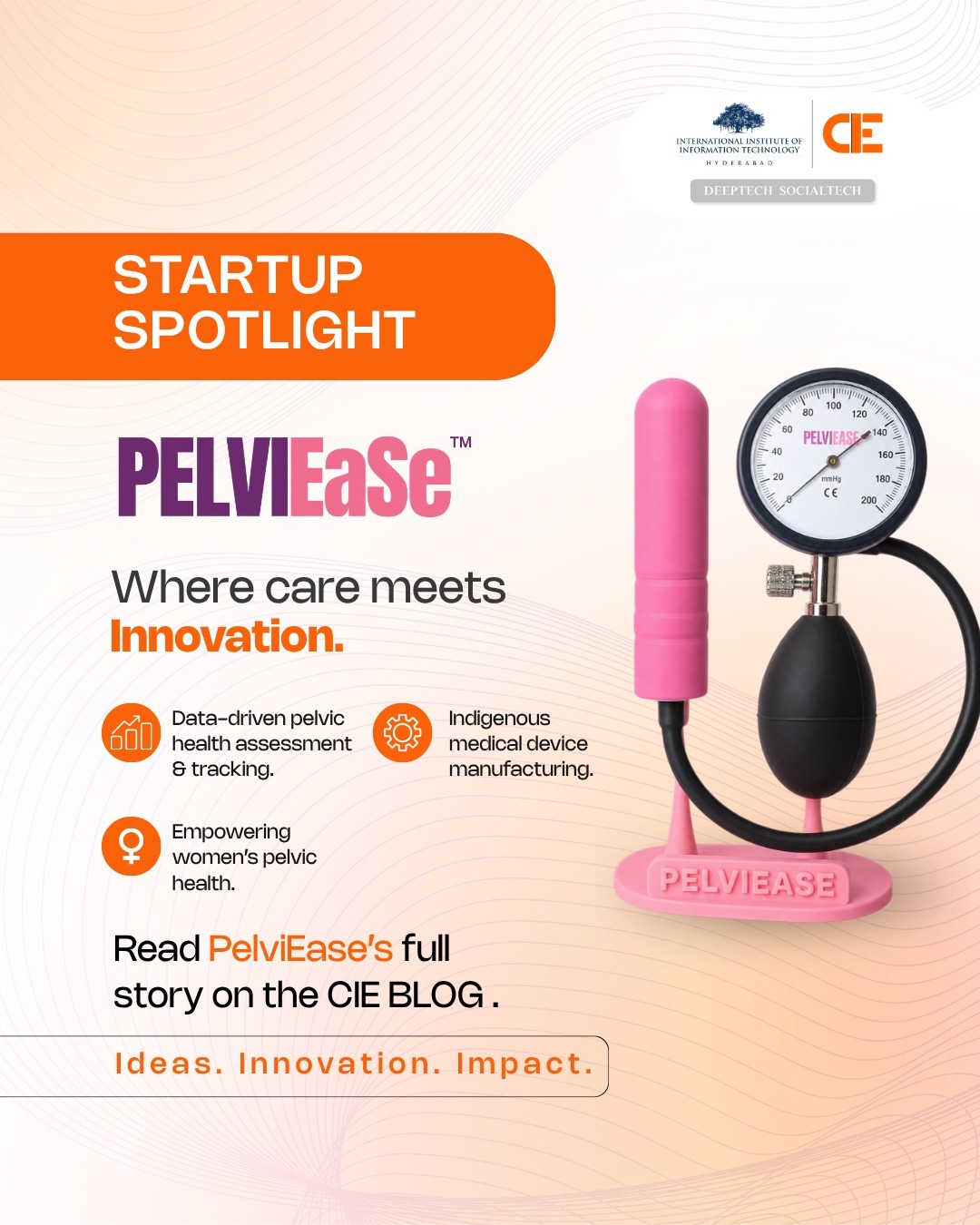
That question is at the heart of PelviEaSe , a CIE-IIITH based startup that is working to address this gap through its initiative focused on making women’s pelvic health easier to manage.
The journey started with the Perineometer (a medical device used to measure the strength and endurance of pelvic floor) , but the vision goes beyond one medical device. PelviEaSe aims to build a wider ecosystem around women’s pelvic health and make it easier for women and healthcare professionals to understand and manage these concerns. For the team, the goal is not just to develop a product, but to create tools that can make a meaningful difference in women’s healthcare.

Building a medical technology company, however, comes with its own challenges. As PelviEaSe entered the market, conversations with doctors, physiotherapists, patients and hospitals helped the team understand their needs better. These conversations also led the team to rethink parts of its product positioning and go-to-market approach. One important lesson emerged from this experience:
“Be committed to the problem, but stay open to changing the solution.”
This learning was also supported by the CIE IIIT-H ecosystem. Being part of the ecosystem gave PelviEaSe access to mentors, entrepreneurs, investors and other founders who offered new perspectives and practical guidance. For an early-stage company, these connections can help founders learn faster, avoid repeating common mistakes and make better-informed decisions.
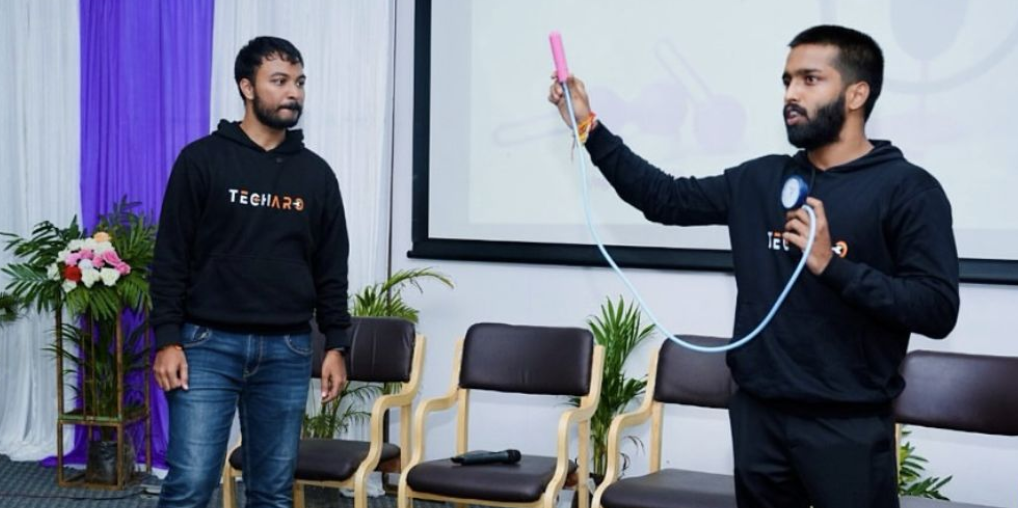
PelviEaSe is also looking at a larger challenge in the medical-device industry i.e building more manufacturing capabilities in India. The company is developing knowledge across the entire product journey, from design and material selection to prototyping, manufacturing, testing and quality control. The long-term aim is to develop reliable and affordable medical devices in India, reducing dependence on imports and creating products that can also serve global markets.
Their journey shows how identifying an important gap in healthcare can lead to meaningful innovation. By combining women’s health, medical technology and local manufacturing, the company is working towards creating practical healthcare solutions while contributing to the growth of India’s medical-device ecosystem.
Learn more about PelviEase and its work in women’s pelvic health → Visit the PelviEase website